Dust particles are ubiquitous yet often overlooked components of indoor air quality. These microscopic invaders can carry allergens, pollutants, and even pathogens, posing potential health risks to inhabitants. Understanding the dangers of dust particles and their impact on indoor environments is crucial for homeowners and property buyers. A home inspection can identify air quality issues, ensuring a healthier living space.
The Composition and Journey of Dust Particles
Dust particles are a complex mixture of materials. Common components include dead skin cells, pollen, mold spores, hair, textile fibers, and even microscopic debris from insect activity. These particles can range in size, but those under 10 micrometers are particularly concerning due to their ability to be inhaled deeply into the lungs.
Within a home, dust particles can settle on surfaces, circulate through HVAC systems, and even enter through doors and windows. Environmental factors like humidity and temperature can influence dust accumulation, making regular monitoring essential.
Health Implications and Standards
Exposure to dust particles can lead to respiratory issues, allergic reactions, and exacerbate conditions such as asthma. The Environmental Protection Agency (EPA) provides guidelines on indoor air quality, emphasizing the importance of reducing particulate matter for health reasons.
- Regular cleaning and vacuuming with HEPA filters can reduce dust accumulation.
- Maintaining HVAC systems and changing filters every 1-3 months is recommended.
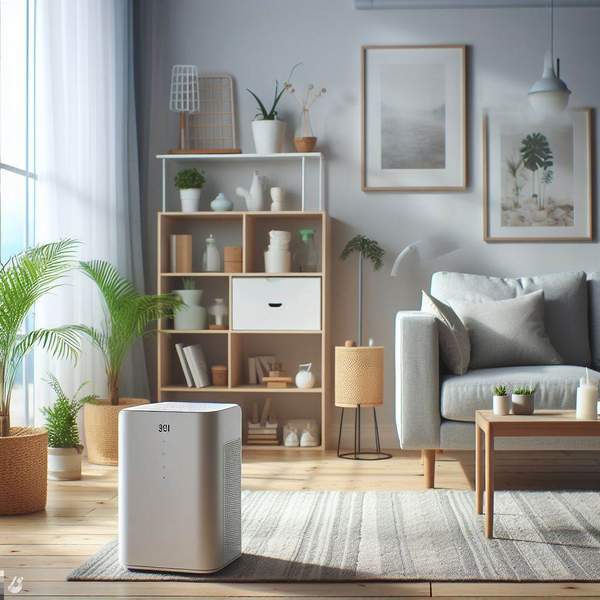
- Using air purifiers can help trap airborne particles.
The Role of Professional Home Inspections
Professional inspectors often evaluate air quality as part of a comprehensive home assessment. They utilize specialized equipment to detect particulate levels and identify potential sources of contamination. By addressing these issues early, homeowners can prevent more significant health concerns and maintain a clean indoor environment.
In conclusion, understanding and managing dust particles is essential for ensuring indoor air quality. Regular monitoring and maintenance, along with professional home inspections, can mitigate health risks and promote a healthier living environment. Home inspections play a vital role in identifying air quality issues, making them an invaluable service for maintaining a safe and comfortable home.